Green chilli is one of the smallest ingredients in many Indian meals—but it contains compounds that can produce some surprisingly powerful effects.
It can make your mouth feel like it's on fire, make you sweat, change how you experience food, and may influence several processes in the body.
But does eating green chilli every day actually make you healthier?
Can it help with weight loss or metabolism?
Does it improve digestion?
Why does it burn?
Why does milk help when water doesn't seem to?
And can eating too much chilli cause problems?
Let's separate the science from the myths.
What Is Green Chilli?
Green chilli is the unripe fruit of plants belonging to the Capsicum genus. Different varieties can vary substantially in size, flavor and heat.
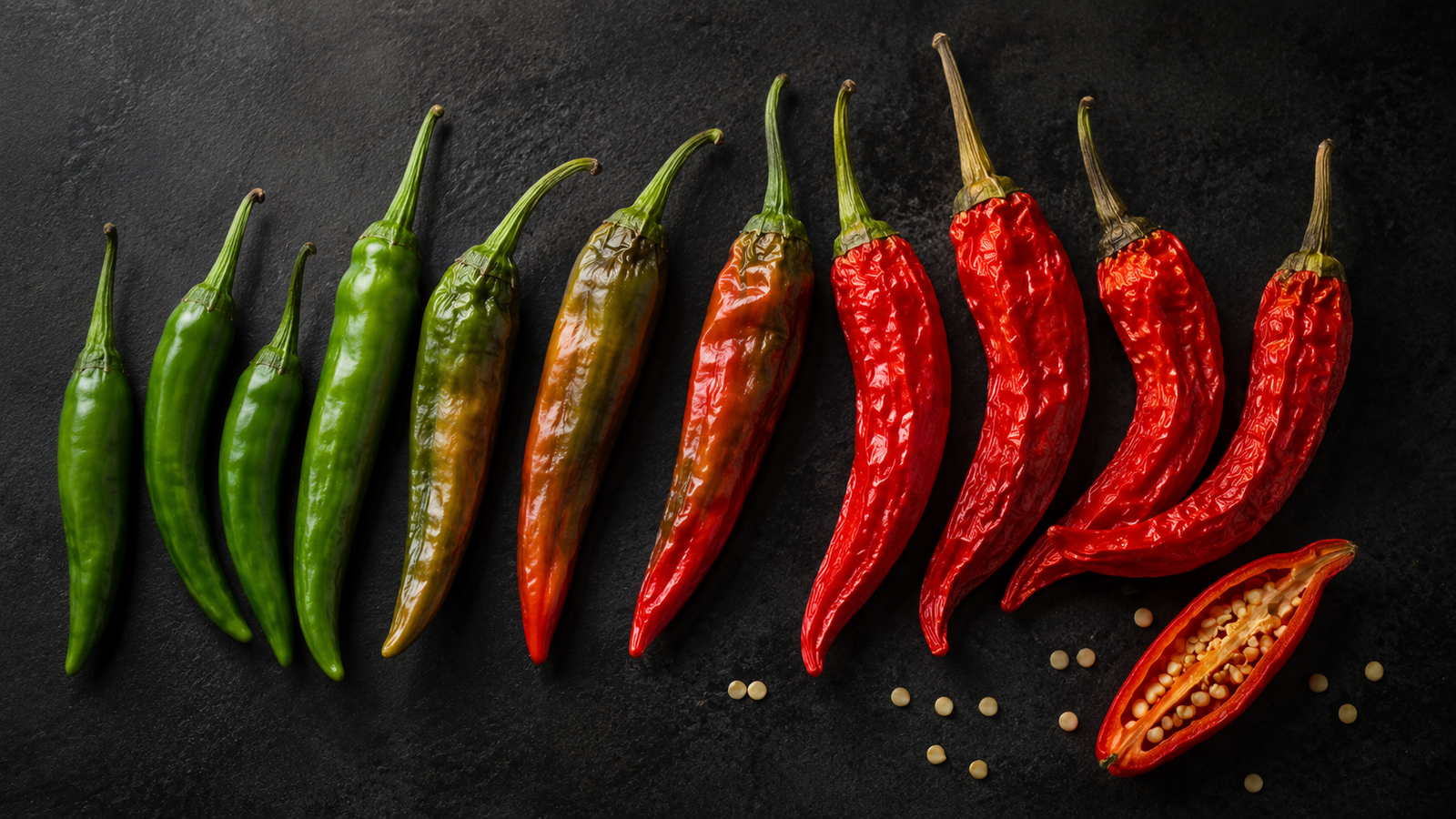
As chillies mature, their color can change from green to red, yellow, orange or other colors depending on the variety.
Chillies are widely used as spices and vegetables around the world, including extensively in Indian cuisine.
Their nutritional and biological properties come from a combination of vitamins, carotenoids, polyphenols and other plant compounds—including capsaicin, the compound primarily responsible for their characteristic heat.
What Makes Green Chilli Spicy?
The answer is capsaicin.
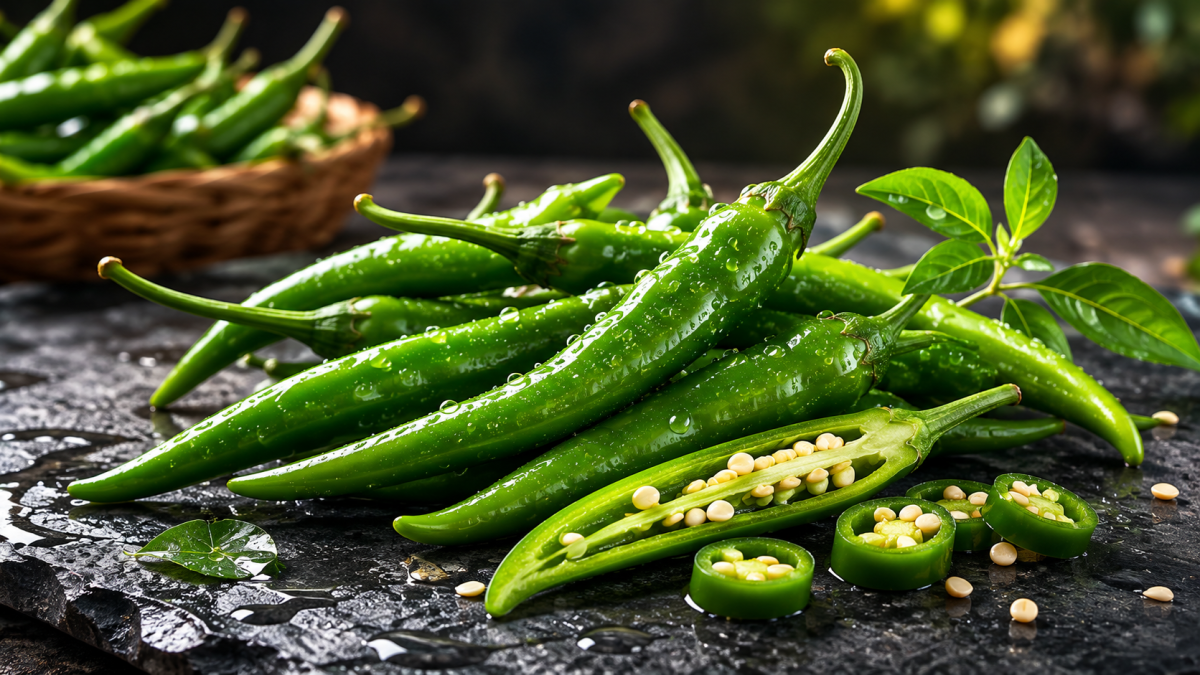
Capsaicin is a naturally occurring compound in chilli peppers. Interestingly, the burning sensation isn't technically a taste like sweet or salty.
Capsaicin activates a sensory receptor called TRPV1, which is involved in detecting heat and potentially harmful stimuli.
When capsaicin activates these receptors, your nervous system interprets the signal as heat and irritation.
That's why a chilli can make your mouth feel extremely hot even though the actual temperature of your food hasn't suddenly increased.
The visualization above is only illustrative of a decreasing response; the biological response to capsaicin is much more complex than a simple exponential curve.
What Nutrients Does Green Chilli Provide?
Green chilli can contribute several nutrients and plant compounds to the diet, including:
- Vitamin C
- Carotenoids and vitamin-A-related compounds
- Vitamin E
- Vitamin K
- B vitamins
- Potassium
- Dietary fiber
- Polyphenols and flavonoids
- Capsaicinoids
The exact nutritional composition varies according to the chilli variety, maturity, growing conditions and preparation method. A recent comprehensive review describes chilli as a source of vitamins, minerals and several bioactive phytochemicals.
So while a chilli may be small, it isn't nutritionally insignificant.
Potential Health Benefits of Green Chilli
Here's where we need to be careful.
Research on chilli and capsaicin has identified several potentially beneficial effects. However, potential biological effects don't automatically mean that eating chilli will prevent or treat a disease.
The strength of evidence differs considerably between different claims.
1. It Provides Vitamin C and Other Plant Compounds
Green chilli can contribute vitamin C and antioxidant-related compounds to the diet.
Vitamin C is important for normal immune function, collagen formation and antioxidant protection.
Chillies also contain carotenoids, flavonoids and other phytochemicals that are being investigated for their biological effects.
Evidence: Nutritional contribution — well established.
Specific disease-prevention claims — much less certain.
2. It May Influence Metabolism
Capsaicin has been studied for its possible effects on energy expenditure, thermogenesis and fat oxidation.
Some experimental research suggests capsaicin can influence metabolic pathways through TRPV1 and related mechanisms.
But here's the important part:
Chilli is NOT a magic fat burner.
Human evidence is not strong enough to say that eating green chilli alone produces meaningful weight loss.
An umbrella review of systematic reviews found that associations between spicy-food/capsicum consumption and several health outcomes remain uncertain.
Can Green Chilli Help With Weight Loss?
This is one of the most common claims.
Capsaicin has been investigated for effects on:
- Energy expenditure
- Thermogenesis
- Appetite
- Fat oxidation
These mechanisms are scientifically interesting.
But losing body fat depends primarily on overall energy balance, dietary pattern, physical activity and other factors.
Adding chilli to an otherwise calorie-dense diet doesn't magically cancel those calories.
So the evidence supports:
Capsaicin may have modest metabolic effects.
It does not support:
“Eat green chilli and you'll lose weight.”
Does Green Chilli Help Digestion?

The relationship between chilli and digestion is more complicated than social-media claims suggest.
Research has investigated capsaicin and chilli in relation to gastrointestinal function, including digestive secretions, gut motility and protective mechanisms. Some reviews suggest potentially beneficial gastrointestinal effects, but also emphasize that chilli can act differently depending on the person, dose and condition.
Some people can eat spicy food regularly without problems.
Others may experience:
- Burning
- Abdominal discomfort
- Heartburn
- Loose stools
- Digestive irritation
So “chilli is good for digestion” isn't universally true.
Why Does Chilli Burn Your Mouth?
This is one of the coolest things about chilli.
Capsaicin activates TRPV1 receptors on sensory nerve endings.
TRPV1 responds to heat and irritating stimuli. Capsaicin essentially activates this pathway and makes your brain interpret the signal as burning or heat.
The chilli isn't actually setting your mouth on fire.
Your nervous system is interpreting the chemical signal as heat.
Why Does Chilli Make You Sweat?
Capsaicin doesn't just affect your mouth.
Because TRPV1 is involved in the body's temperature-sensing and thermoregulatory systems, eating spicy food can trigger responses such as flushing and sweating.
This phenomenon is sometimes called gustatory sweating.
Your body is essentially responding to a perceived heat signal.
That's why someone can start sweating after eating something extremely spicy—even though the room temperature hasn't changed.
Why Does Milk Help With Chilli Burning?
You've probably experienced this:
Water → not very helpful.
Milk → much better.
One reason is that capsaicin is fat-soluble, so simply washing your mouth with water isn't particularly effective at removing it.
Milk contains components that can help remove or disperse capsaicin from the receptors and mouth surface.
That's why dairy products are commonly more effective than plain water for reducing the sensation.
Why Can Chilli Cause Acidity or Heartburn?
This is where individual tolerance becomes important.
Some people experience heartburn or digestive discomfort after eating spicy foods.
Capsaicin can activate sensory pathways in the gastrointestinal tract, and people with existing digestive sensitivity may notice symptoms more strongly.
However, research doesn't support the simplistic claim that chilli automatically causes GERD or ulcers in everyone. An umbrella review found no significant association between spicy-food/capsicum consumption and GERD overall, while individual responses can still vary.
So:
Spicy food may trigger symptoms in some people without being universally harmful to everyone's digestive system.
Does Green Chilli Lower Blood Sugar?
Capsaicin and chilli have been investigated for potential effects on glucose metabolism.
Some laboratory, animal and human studies have produced interesting findings.
But the evidence is not strong enough to recommend green chilli as a treatment for diabetes or as a substitute for prescribed treatment.
The umbrella review found no significant overall association between spicy-food/capsicum intake and measures such as blood glucose, insulin resistance or HbA1c.
Bottom line:
Green chilli can be part of a healthy diet, but it isn't a diabetes treatment.
Green Chilli vs Red Chilli
Which is healthier?
There isn't a simple winner.
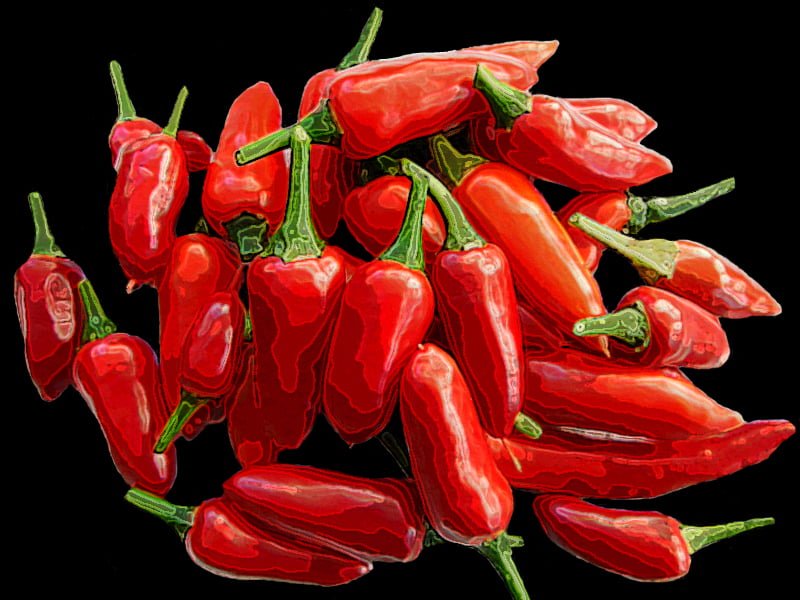
Green and red chillies can differ because ripening changes their pigment, flavor and nutritional composition.
Red mature chillies tend to contain more carotenoid pigments, while green immature chillies have their own nutrient and phytochemical profile.
Heat also varies dramatically between varieties, so color alone doesn't tell you how spicy a chilli will be.
The best choice depends on:
- Variety
- Ripeness
- Preparation
- Quantity
- Your dietary preferences
So don't automatically assume:
🟢 Green = healthier
🔴 Red = unhealthy
It's more complicated than that.
What Happens If You Eat Green Chilli Every Day?
For someone who tolerates spicy foods well, moderate amounts of green chilli can fit comfortably into a balanced diet.
But eating more isn't necessarily better.
Your response depends on:
- Amount consumed
- Chilli variety
- Capsaicin concentration
- Your tolerance
- The rest of your meal
- Your digestive sensitivity
If eating chilli regularly causes persistent heartburn, abdominal pain or other symptoms, reducing your intake and discussing persistent symptoms with a healthcare professional is sensible.
Can Eating Too Much Chilli Be Harmful?
Yes—too much can cause unpleasant symptoms, particularly in people who are sensitive to spicy foods.
Possible symptoms include:
- Mouth and throat burning
- Abdominal discomfort
- Heartburn
- Nausea
- Diarrhea
- Rectal burning after bowel movements
The amount that causes symptoms varies considerably from person to person.
And extremely concentrated capsaicin products are a different situation from ordinary culinary chilli.
Green Chilli: Myths vs Facts
| Claim | Reality |
|---|---|
| 🌶️ “Chilli burns fat.” | Too simplistic. Capsaicin may influence energy expenditure, but this doesn't make chilli a weight-loss treatment. |
| 🌶️ “More chilli means more health benefits.” | Not necessarily. More can also mean more discomfort. |
| 🌶️ “Chilli always causes acidity.” | False. Some people experience symptoms; others tolerate it well. |
| 🌶️ “Chilli causes ulcers in everyone.” | Not supported as a universal claim. |
| 🌶️ “Green chilli is automatically healthier than red.” | Not necessarily. Nutrition changes with variety and ripeness. |
| 🌶️ “Chilli cures diabetes.” | False. It should never replace medical treatment. |
| 🌶️ “Capsaicin really makes your mouth hotter.” | Not literally. It activates heat-sensitive pain pathways. |
So, Is Green Chilli Actually Good for You?
Yes—but don't treat it like a miracle food.
Green chilli can add:
- Flavor
- Vitamin C and other nutrients
- Plant compounds
- Capsaicin and other bioactive compounds
- Very little energy compared with many calorie-dense foods
But:
- Benefits depend on the overall diet.
- Metabolic effects appear modest.
- Human evidence for many claimed health benefits remains uncertain.
- Some people experience heartburn or digestive discomfort.
A major umbrella review concluded that the overall health effects of spicy-food and chilli consumption remain uncertain for many outcomes, highlighting the need for better-quality research.
The Real Takeaway
Green chilli isn't a superfood miracle, and it isn't a dangerous ingredient for everyone.
It's a flavorful food containing useful nutrients and bioactive compounds—especially capsaicin.
The most interesting thing about it may actually be how our nervous system responds to it.
That tiny green chilli doesn't actually make your mouth hotter.
It tricks your heat-sensing system into feeling the burn.
And whether chilli is beneficial or uncomfortable largely depends on how much you eat, how you prepare it, and how your own body responds.
Eat it for flavor and nutrition—not because you expect it to magically burn fat, cure disease, or transform your health.
Frequently Asked Questions
Is it okay to eat green chilli every day?
For people who tolerate spicy food well, moderate consumption can be part of a balanced diet. There is no universal daily amount that is appropriate for everyone.
Is green chilli good for weight loss?
Capsaicin may have modest effects on energy expenditure and appetite, but green chilli should not be considered a standalone weight-loss strategy.
Does green chilli improve digestion?
It may influence gastrointestinal processes, but responses vary. Some people tolerate it well while others experience discomfort.
Why does chilli burn?
Capsaicin activates TRPV1 receptors involved in detecting heat and pain, producing the characteristic burning sensation.
Why does chilli make you sweat?
Capsaicin can activate temperature-sensing pathways and trigger thermoregulatory responses such as sweating.
Does green chilli have vitamin C?
Yes. Green chilli can contribute vitamin C to the diet, although the exact amount varies by variety and preparation.
Is green chilli healthier than red chilli?
Not automatically. Green and red chillies differ in maturity and chemical composition, so the answer depends on the variety and what nutritional characteristic you're comparing.